What Is American Wagyu? Our 15oz Strip, Explained
Jul 21, 2026Order the 15 ounce Wagyu strip at CHR Steak and you are ordering a very specific kind of beef with a long story behind it. Wagyu is the most talked-about word in steak, and also the most misunderstood. Here is what it actually means, what makes the American version its own thing, and why this strip earns its place at the top of our menu.
Where Wagyu comes from
Wagyu simply means Japanese cattle, breeds prized for generations for their ability to build fine ribbons of fat inside the muscle rather than around it. American Wagyu starts with those Japanese genetics, crossed with high-quality American herds. The result carries the intense marbling Wagyu is famous for, scaled to the bigger, beefier cuts American steakhouses are built on. The American Wagyu Association tracks the breed in the US and is a good rabbit hole if you want to go deeper. We source our Wagyu from top American producers, and like everything in the butcher case, it has to earn its spot on the menu before it earns a place on your plate.
How Wagyu is graded
Not all Wagyu is graded the same. Japan scores beef on its Beef Marbling Standard, a scale built around how much intramuscular fat runs through the ribeye, and serious American Wagyu programs borrow that yardstick. For comparison, USDA Prime, the highest federal grade, requires what the graders call slightly abundant marbling. Well-bred American Wagyu grades past it, sometimes well past it, which is why it is listed separately from Prime on steakhouse menus, ours included.
Why marbling matters
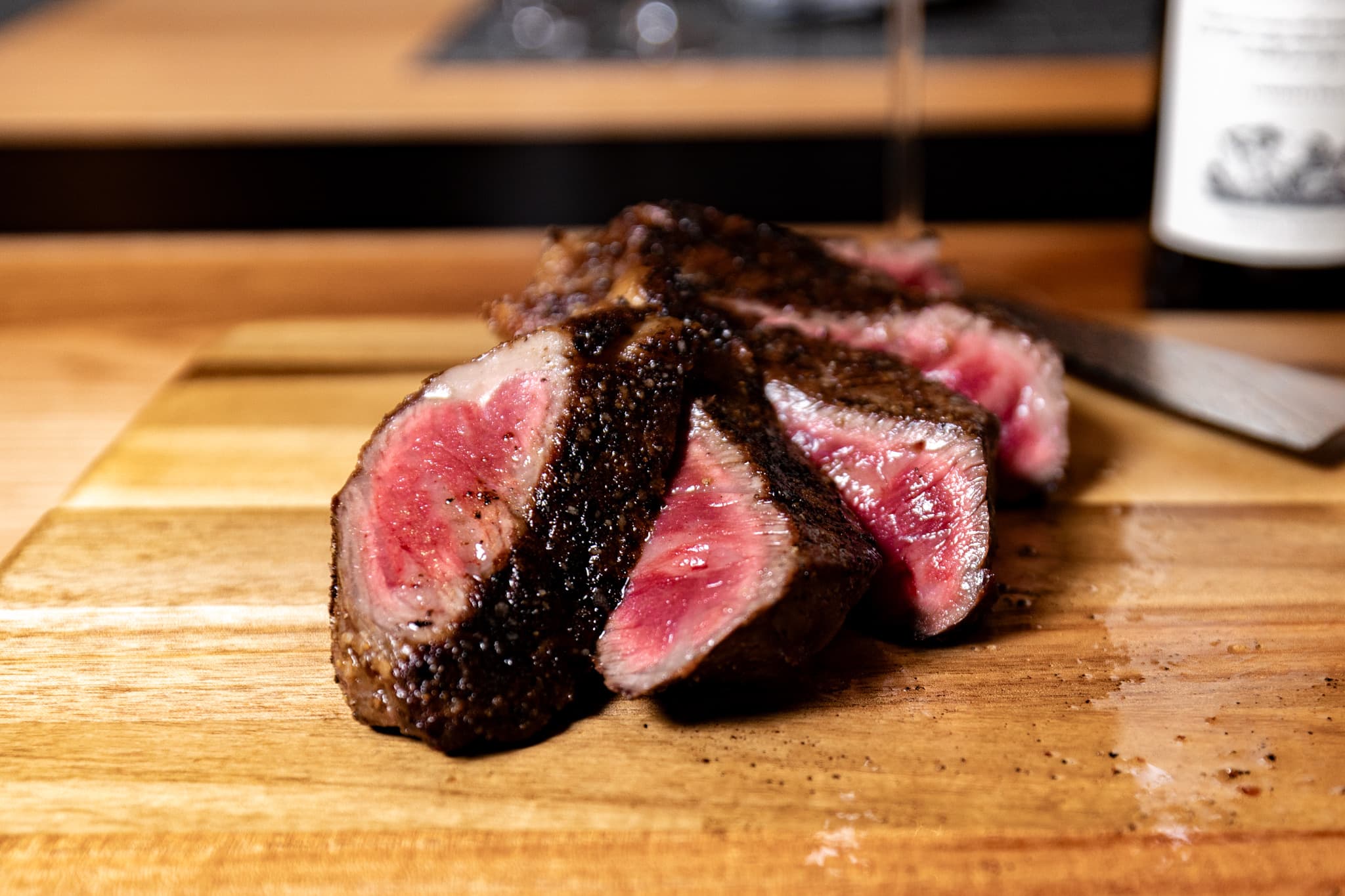
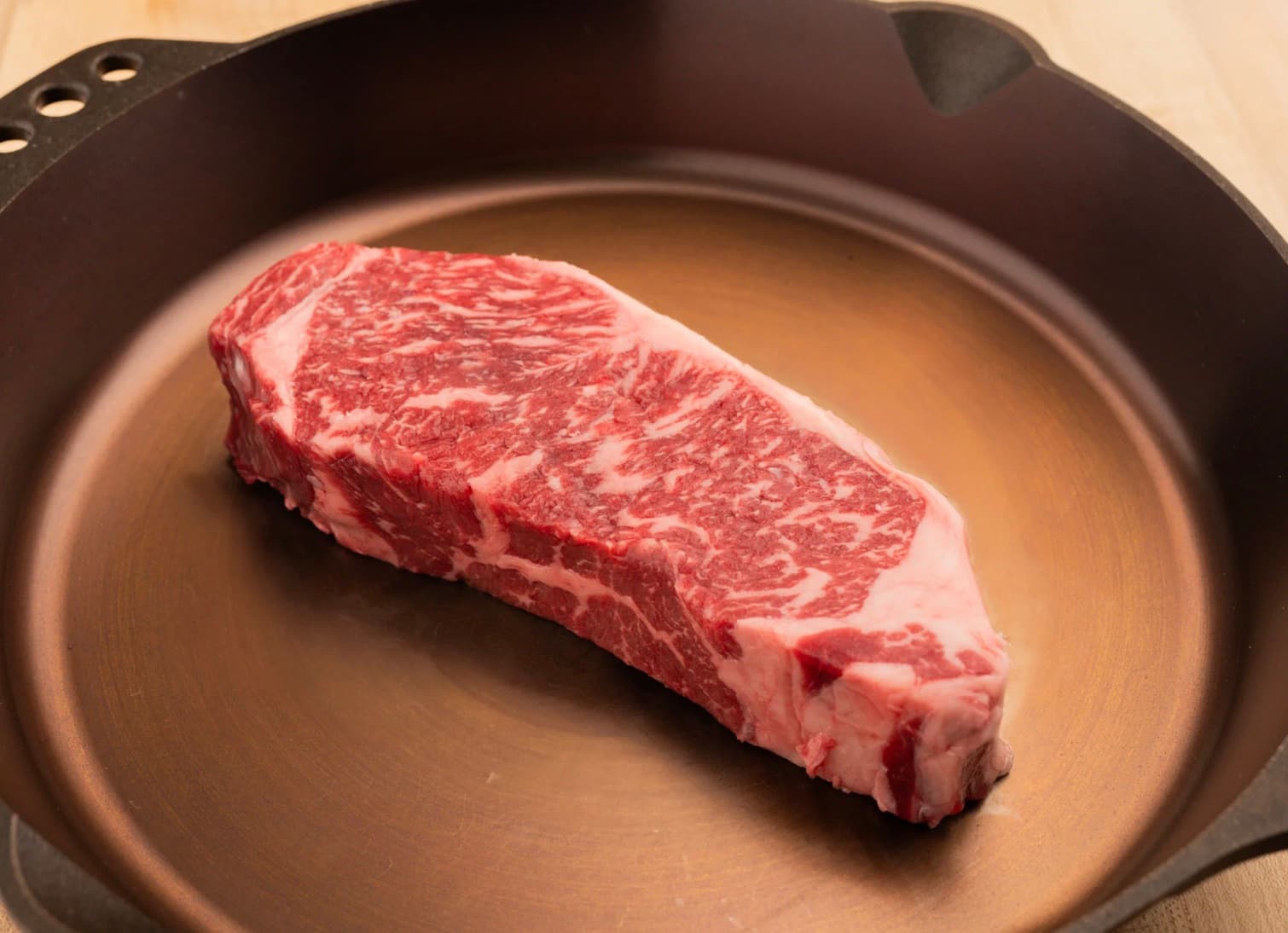
Marbling is not decoration. Those fine white threads melt as the steak cooks, basting the meat from the inside, carrying flavor, and keeping every bite tender. It is why a well-marbled steak tastes rich and almost sweet where a lean one tastes plain. Wagyu fat also melts at a lower temperature than ordinary beef fat, which is why the texture reads as buttery rather than greasy. More marbling means more of all of that, in every bite.
Marbling is not decoration. It melts, bastes, and carries the flavor of the whole steak.
How we serve it
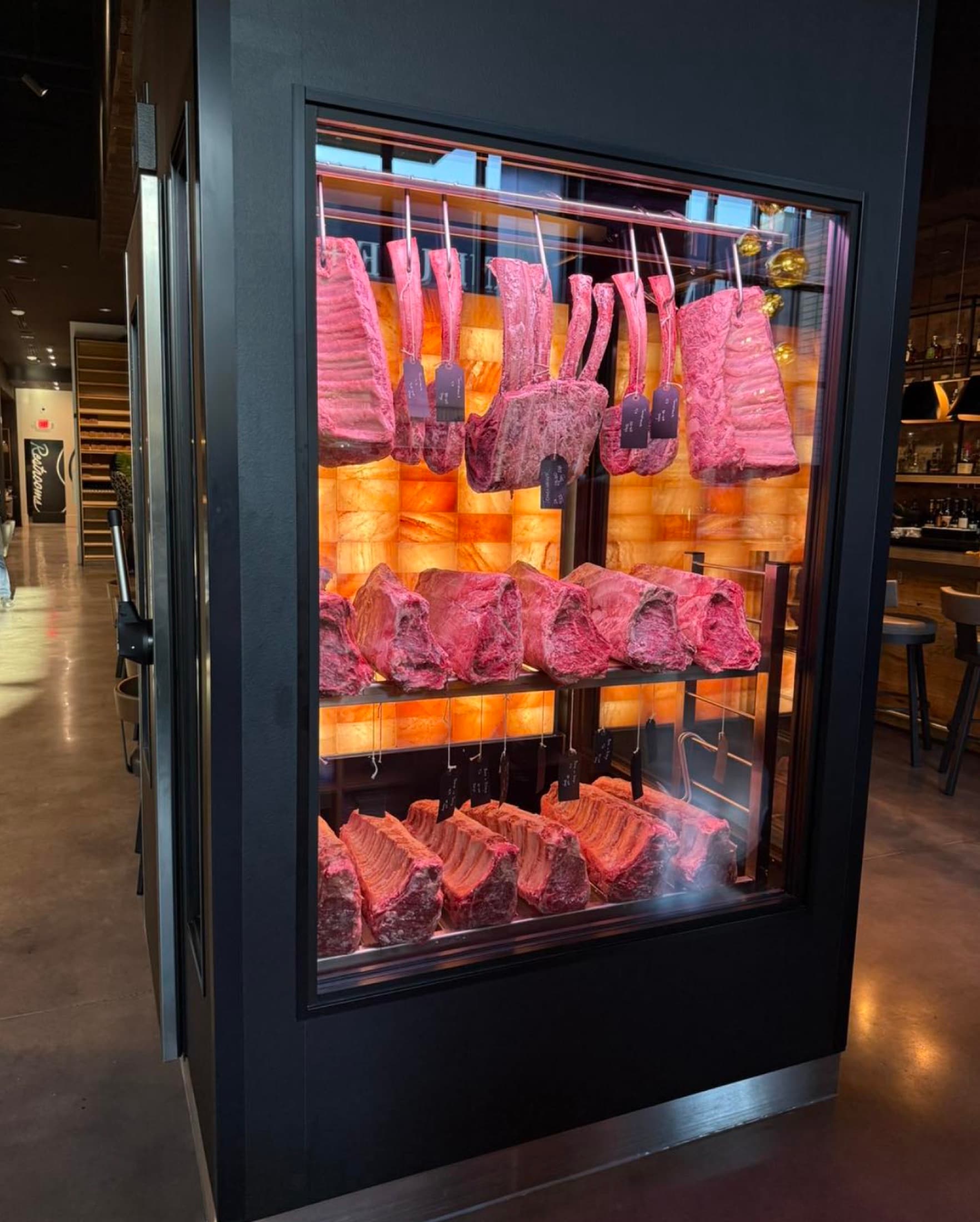
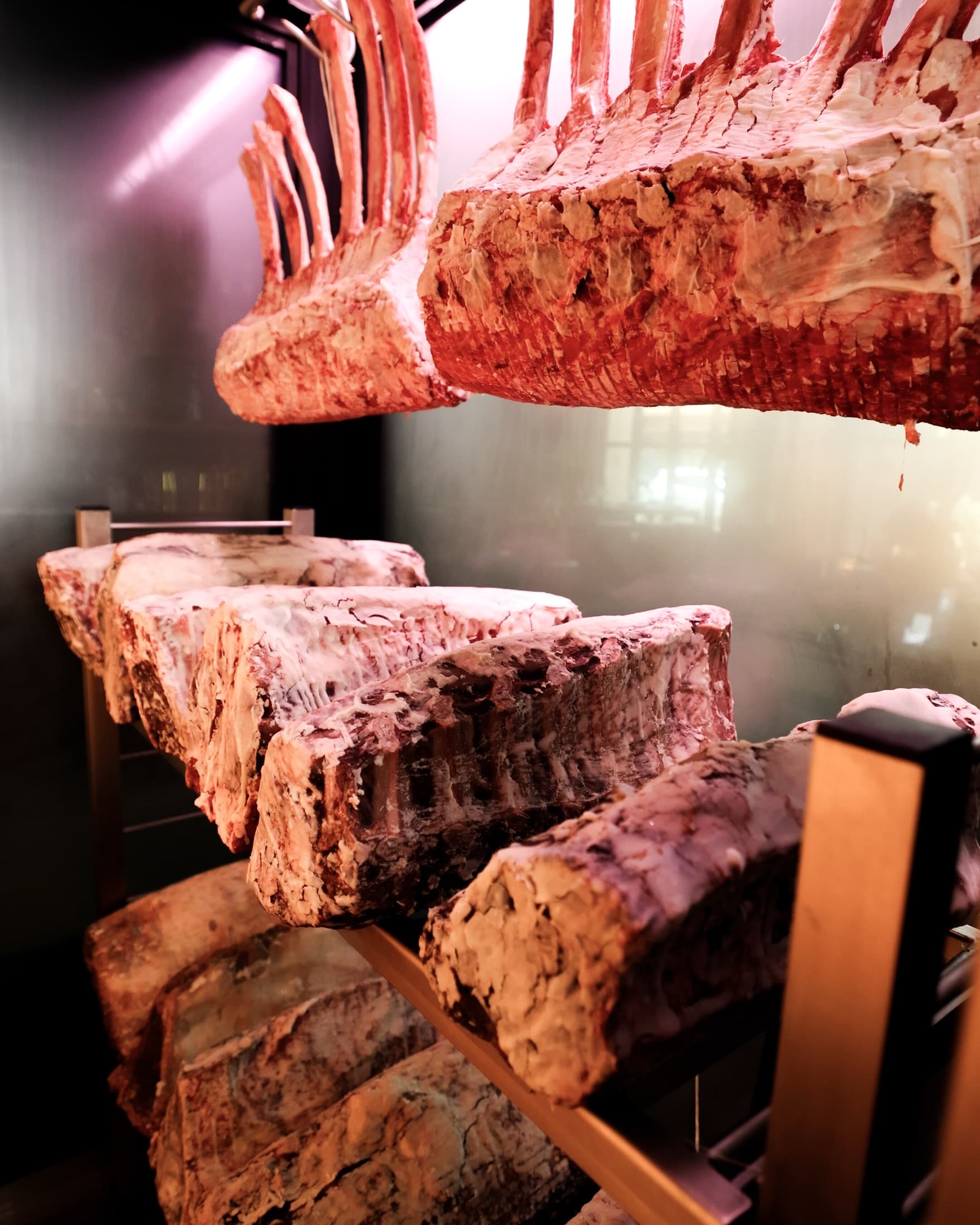
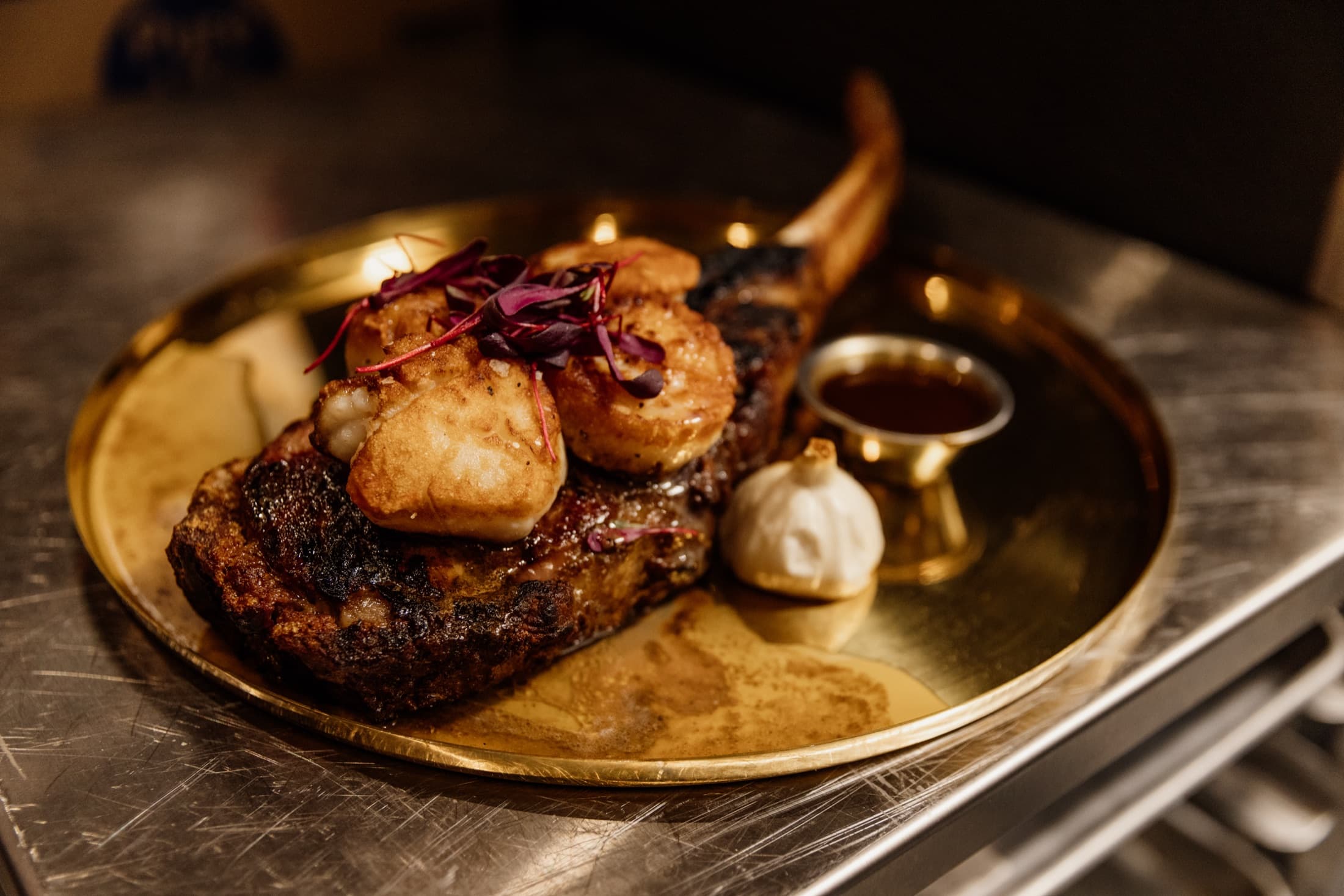
We serve the Wagyu strip as a 15 ounce cut on the wet-aged side of our steak menu, alongside our USDA Prime ribeyes and filets. Wet aging keeps its flavor bright and lets the marbling do the talking, a different philosophy from our in-house dry-aged program, housed in a glass-walled room built by The Aging Room, where time and airflow concentrate the beef into something nuttier and deeper. Between the two you have the whole spectrum of what great beef can be.
Ordering it well
A few honest suggestions from the kitchen:
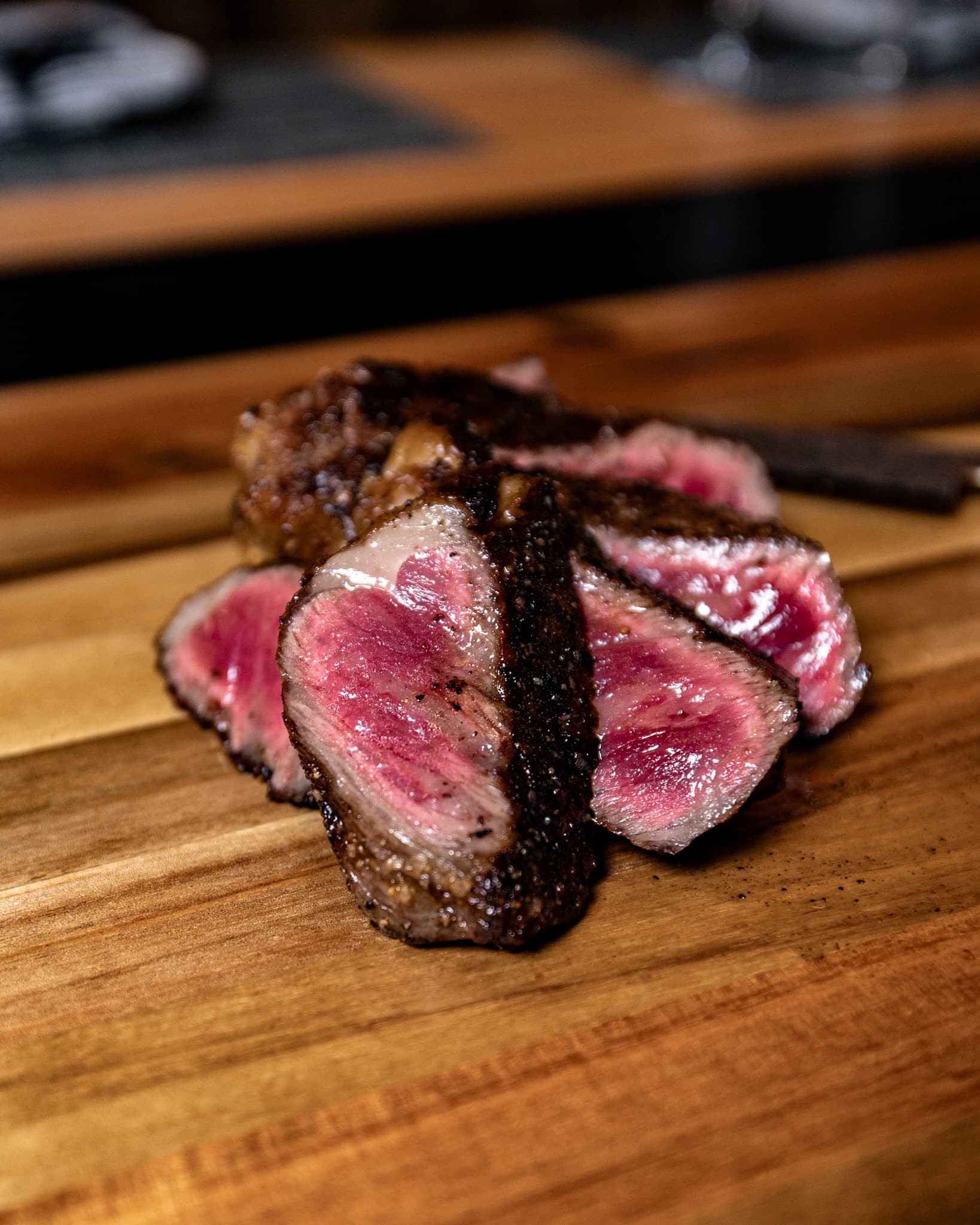
- Order it medium rare or medium. Wagyu's fat needs a little heat to melt fully, but going past medium spends its best quality for nothing.
- Keep the accompaniment simple. A citrus herb butter or a spoon of chimichurri is plenty; the steak is the event.
- Share it. Fifteen ounces of Wagyu is rich, and it rewards slow eating alongside a leaner cut for contrast.
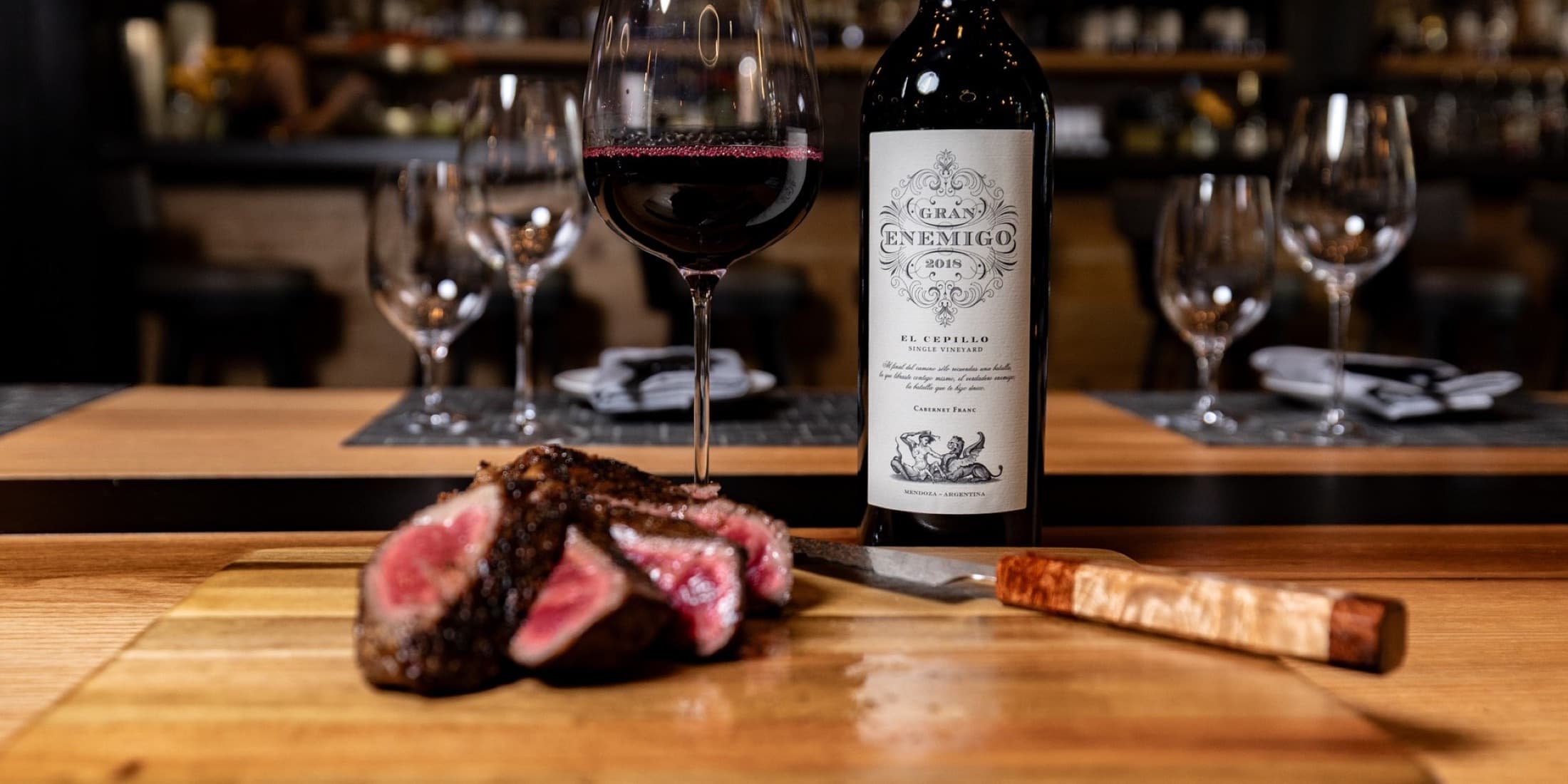
- Pair it with something with backbone, a bold red or a whiskey cocktail from the bar.
Taste it side by side
The best way to understand what Wagyu is, is the same advice we give about dry-aged beef: taste it against something else. Order the Wagyu strip for the table alongside a Prime ribeye or a dry-aged cut, and pass slices around. The differences, the texture, the sweetness, the way the fat melts, stop being abstract in one bite. It is a great move for a special-occasion dinner, and if you are gathering a bigger group around the idea, our private dining room seats up to 28.
The Wagyu strip is on the menu now. Reserve a table on OpenTable, and taste what all the talk is about.
Frequently Asked Questions
- What is American Wagyu?
- Beef from Japanese Wagyu genetics crossed with high-quality American cattle. It carries the intense marbling Wagyu is known for on the bigger cuts American steakhouses serve.
- Is Wagyu better than USDA Prime?
- It grades higher for marbling. Prime tops the USDA scale, and well-bred American Wagyu carries visibly more, which makes for a richer, more buttery steak. CHR serves both, so you can compare them side by side. For how the two grading systems actually work, read Wagyu vs USDA Prime.
- How big is the Wagyu strip at CHR Steak?
- It is a 15 ounce strip, served with your choice of accompaniment. See the full menu for the current lineup.
- How should a Wagyu strip be cooked?
- Medium rare to medium. Wagyu's fat needs gentle heat to melt fully, and cooking past medium gives up the texture you are paying for.
- What is beef marbling?
- The fine threads of fat inside the muscle. They melt during cooking, basting the steak from the inside, which is what makes well-marbled beef taste rich and tender.
- Does CHR Steak serve other premium steaks?
- Yes. Wet-aged USDA Prime, our in-house dry-aged Prime with a four-week minimum, and a wild game list with elk, venison, and bison.