Private Barrel Bourbon in Gainesville, GA
Aug 11, 2026A private barrel bourbon is a single barrel of whiskey that one buyer tasted, chose, and bought whole, so the distillery bottles that barrel alone under the buyer's name. One barrel yields roughly 150 to 200 bottles, and when they are gone there is no reorder. CHR Steak in Gainesville, Georgia runs a private barrel program across bourbon and rye.
A private barrel is one of those phrases that sounds like marketing until somebody explains it, and then it turns out to be one of the few things in the whiskey business that means exactly what it says. Behind our bar there are bottles that exist nowhere else, because the whiskey inside them came out of one single barrel our team tasted and chose, and there was only ever one of it. Here is what that actually means, how a barrel gets picked, and how to drink one when you sit down at the bar.
What a private barrel actually is
Start with the rules. To be called bourbon at all, a whiskey has to clear a federal bar: at least 51 percent corn in the mash, aged in new charred oak containers, made in the United States, and bottled with no added color or flavoring. Everything past that is the distiller's decision, which is why two bourbons made a mile apart can taste nothing alike.
Most bourbon you have ever had was blended. A distillery pulls dozens or hundreds of barrels, marries them together, and bottles the result, because that is the only way to make this year's bottle taste like last year's. Consistency is the whole point of batching.
A single barrel bottling skips that step. One barrel goes into the bottle by itself, undiluted by its neighbors, with whatever character it happened to develop.
A private barrel is a single barrel that somebody chose on purpose. A restaurant, a bar, or a retailer tastes through a set of candidate barrels, picks one, buys the whole thing, and the distillery bottles that barrel and nothing else under that buyer's name. You will also hear it called a store pick, a barrel select, or a barrel program. Same idea. Our whole private barrel program works this way, across both bourbon and rye.
Why no two barrels taste the same
This is the part that surprises people. The barrels come off the same still, filled the same day, with the same mash, and four to twelve years later they are demonstrably different whiskeys.
Wood is the reason. A barrel is not a container in the way a bottle is a container. It is an ingredient, and it is the only ingredient in bourbon that keeps working on its own for years after the distiller walks away. Every tree grew differently. Every stave took the char a little differently.
Then there is where the barrel sat. Rickhouses are enormous, and the top floors run far hotter than the ground floor. Heat pushes whiskey into the wood and cold pulls it back out, so a barrel that spent six summers near the roof has been through many more of those cycles than a barrel that sat in the cool dark below it. The hot ones come out darker, oakier, and more concentrated. The low ones tend to stay softer and sweeter. Neither is better. They are just different, and evaporation takes its cut from all of them. If you want to go deeper on where most of this happens, the Kentucky Distillers' Association is the authority on the distilleries and the trail that connects them.
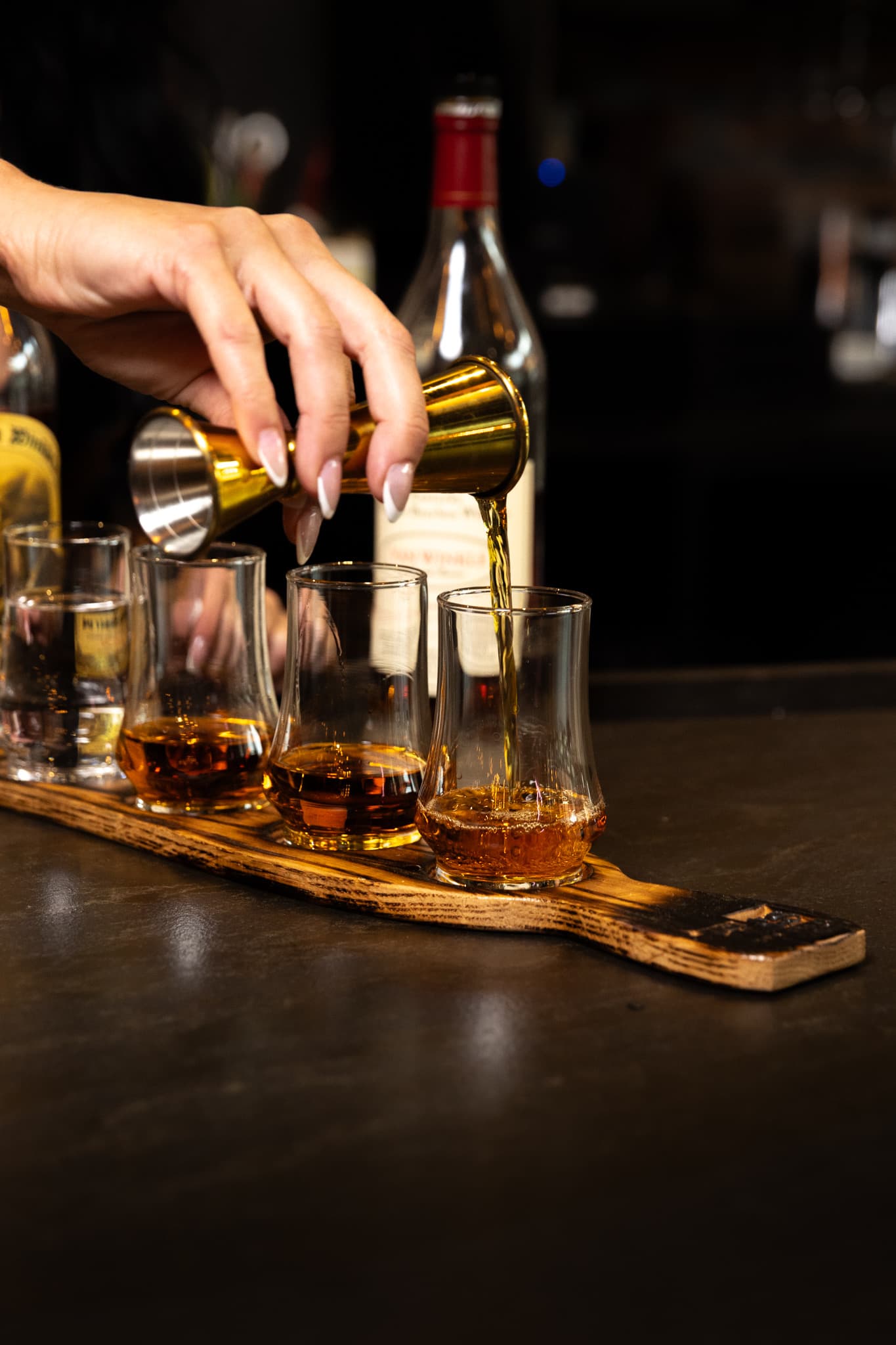
A barrel is not a container. It is an ingredient, and it is the only ingredient in bourbon that keeps changing on its own for years after the distiller walks away.
How a selection actually happens
The romantic version involves a candlelit warehouse. The real version is a table, a row of numbered samples, and a lot of quiet.
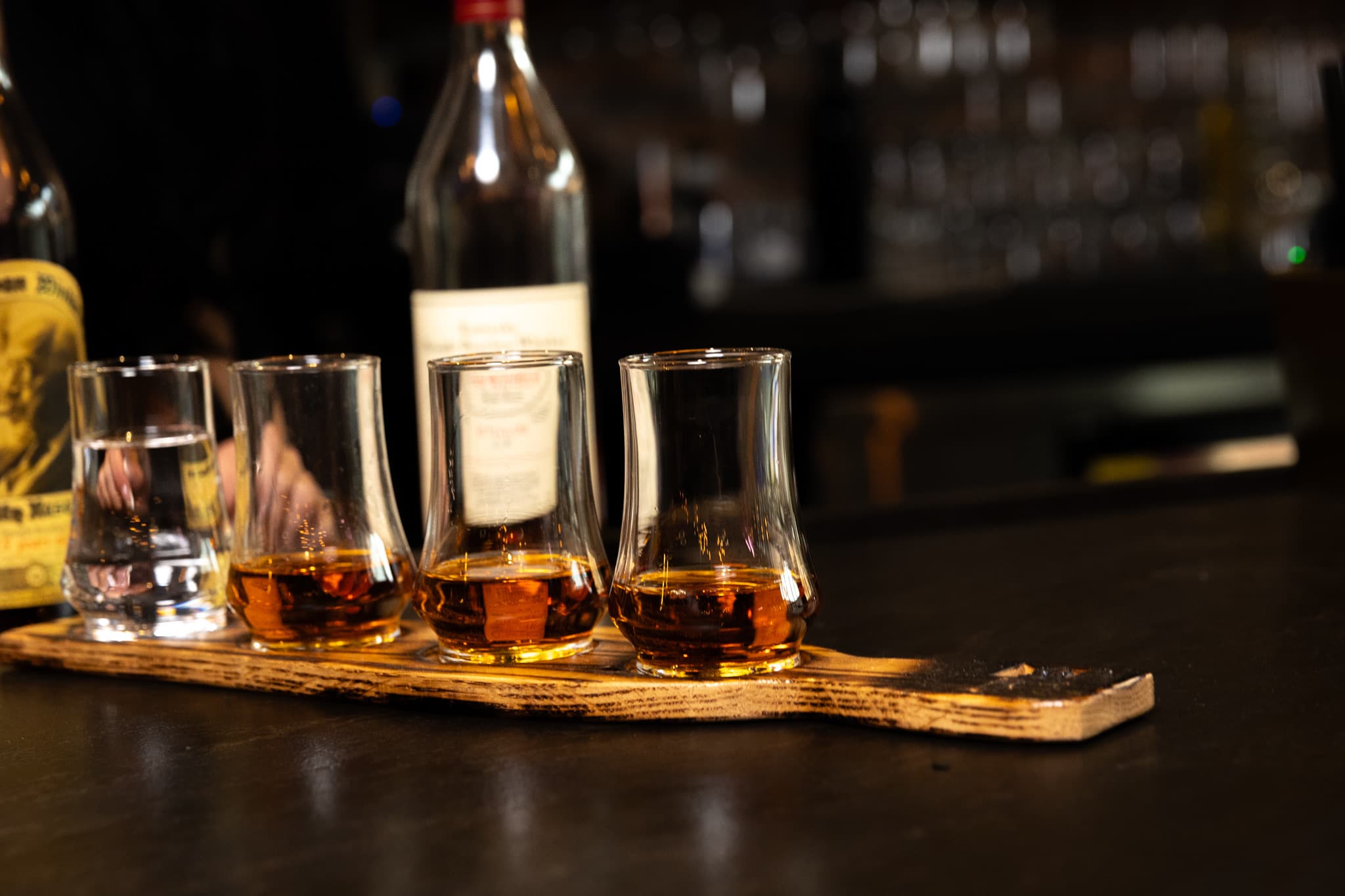
Our team, led by Nikki DeHoff, our Executive Beverage Director, tastes candidate barrels side by side. Everything gets tried neat first, then again with a few drops of water, because water opens a whiskey up and will expose a barrel that is all heat and no substance. The question is never simply which one is best. It is which one does something the distillery's standard bottling does not already do, and which one will still be interesting on the third pour rather than only the first.
Once a barrel is chosen, it is bought whole. A standard barrel yields somewhere in the range of 150 to 200 bottles once evaporation has taken its share, which is why a private barrel is genuinely finite in a way a regular bottling never is. When it is gone, there is no reorder. The next barrel will be a different whiskey wearing the same label.
What a private barrel is not
Because the term sells bottles, it gets stretched. A few honest clarifications:
- It does not automatically mean older. A private barrel is a specific barrel, not an extra-aged one, and plenty of great picks come from the standard age range.
- It does not automatically mean barrel proof. Some private barrels are bottled uncut at full strength, and many are proofed down like the regular release. Ask which one you are getting.
- It is not the same as small batch. Small batch still means several barrels blended together, just fewer of them than a standard run.
- It is not a distillery limited edition. The distillery made the whiskey, but the selection was made by the people who bought it.
- It is not a guarantee. A barrel program is only as good as the palates picking the barrels, which is exactly why it is worth asking who chose it and what they were looking for.
How we pour ours
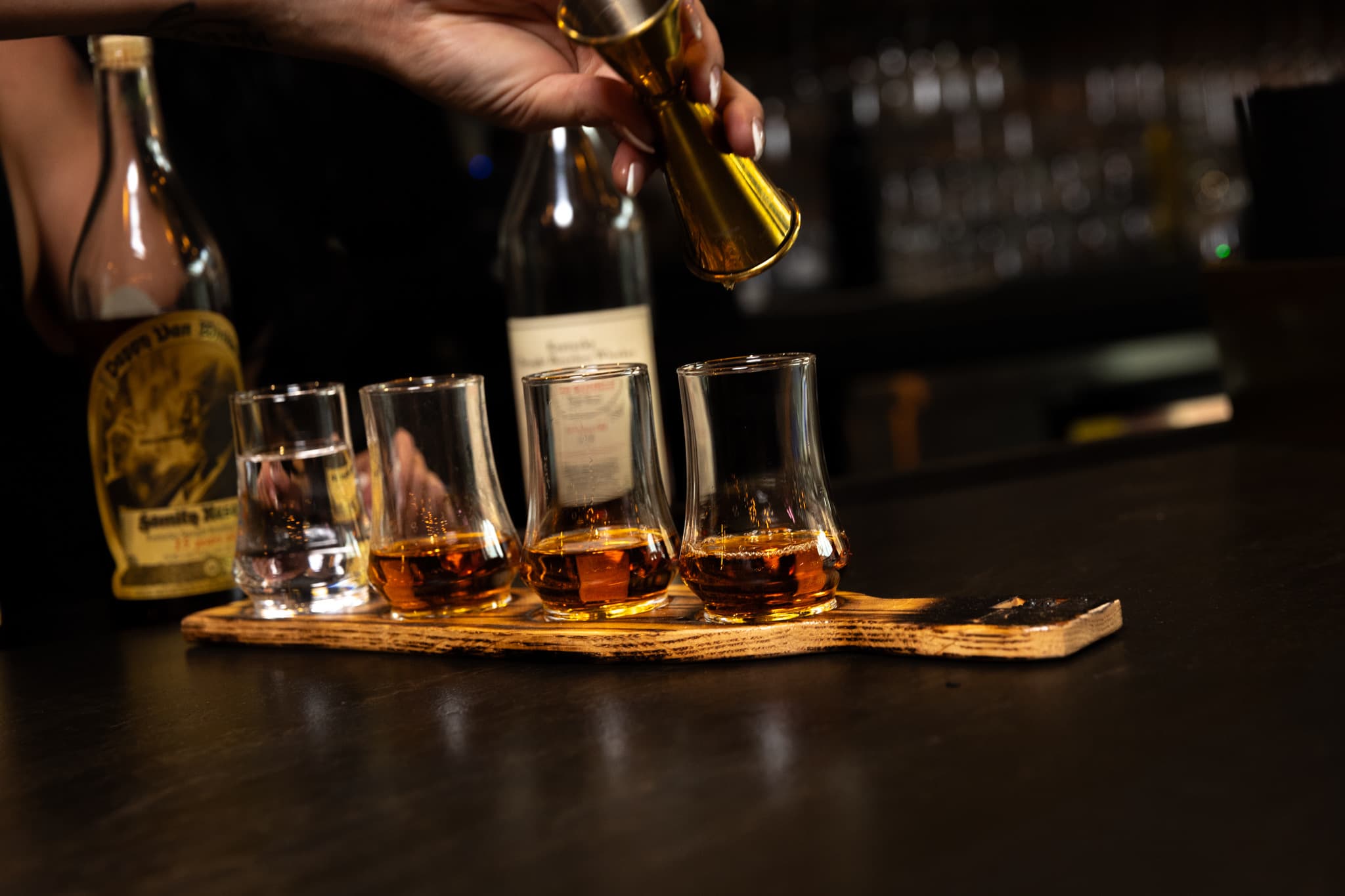
You will find our private barrel two ways. The straightforward way is neat, in a glass, at the bar, which is how we would suggest meeting one for the first time.
The other way is in a cocktail. The CHR-ry Trace Reserve on our whiskey cocktail list is built on private barrel Buffalo Trace with black cherry, cherry liqueur, Disaronno, egg white, and lemon. Putting a hand-picked barrel into a mixed drink sounds like a waste until you taste what a bigger, more concentrated bourbon does to the structure of a cocktail. It holds its shape instead of disappearing under the sugar.
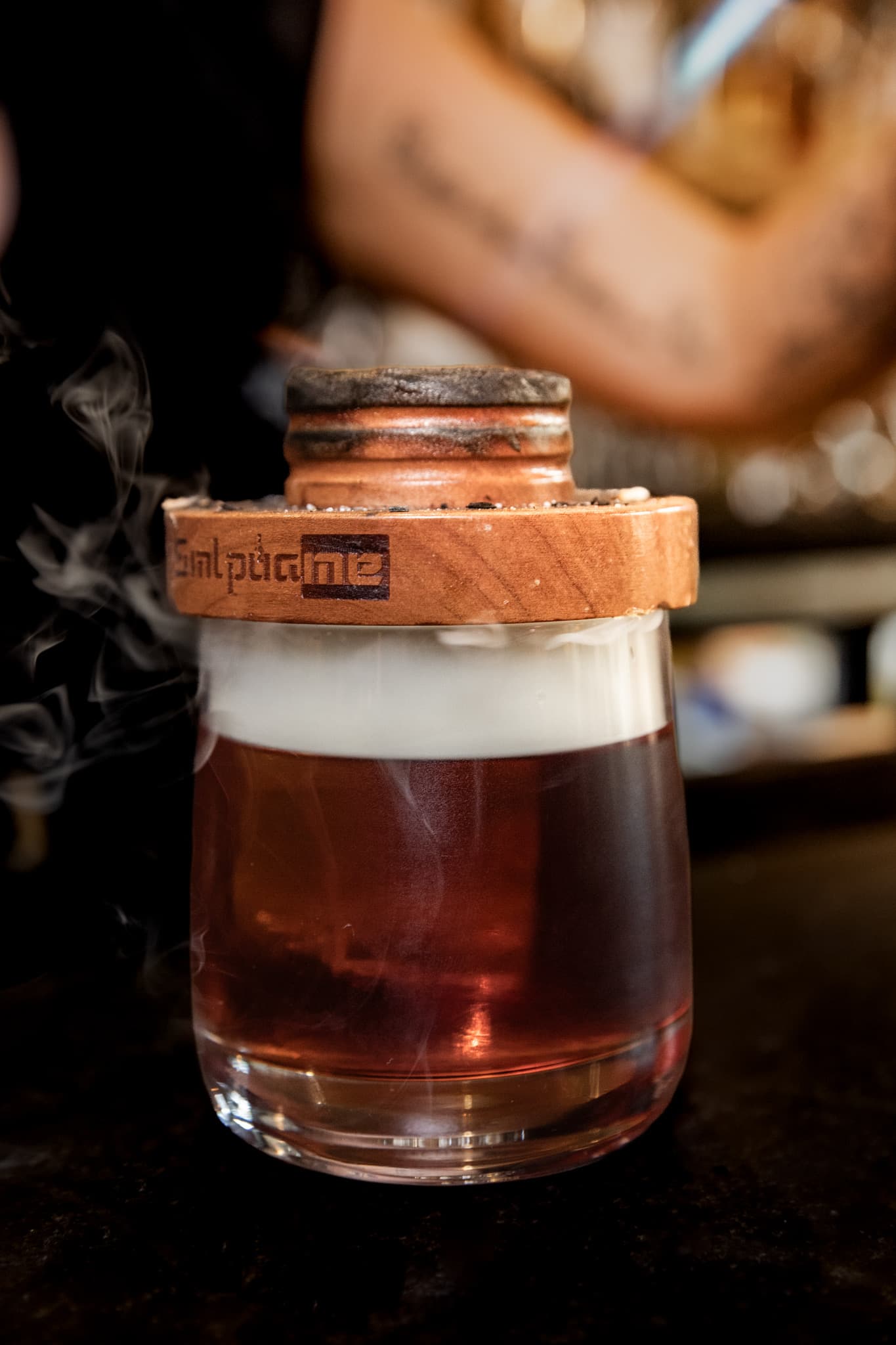
The rest of the whiskey list is worth your attention too. The Old World CHR and The Cattlemen both come to the table in a smoked glass, the Oaked leans on double oaked bourbon with amaro and oloroso sherry, and the Bourbon Brew Old Fashioned runs fresh espresso and chocolate bitters through a classic. If you want to work through a few of them without committing to a full evening, happy hour runs 4:30 to 6 every night we are open.
How to taste one properly
None of this is complicated, and none of it requires a ritual. Four things actually matter.
Start neat and at room temperature. Cold mutes aroma, and aroma is most of what you are tasting. Give it a minute in the glass before you go in, because the first thing off a high-proof pour is mostly alcohol vapor.
Then add water, a few drops at a time. This is not weakening it. Water breaks up the alcohol and releases aromatic compounds that were locked away, and a good barrel gets better here rather than thinner. If a whiskey falls apart with three drops of water, you have learned something about it.
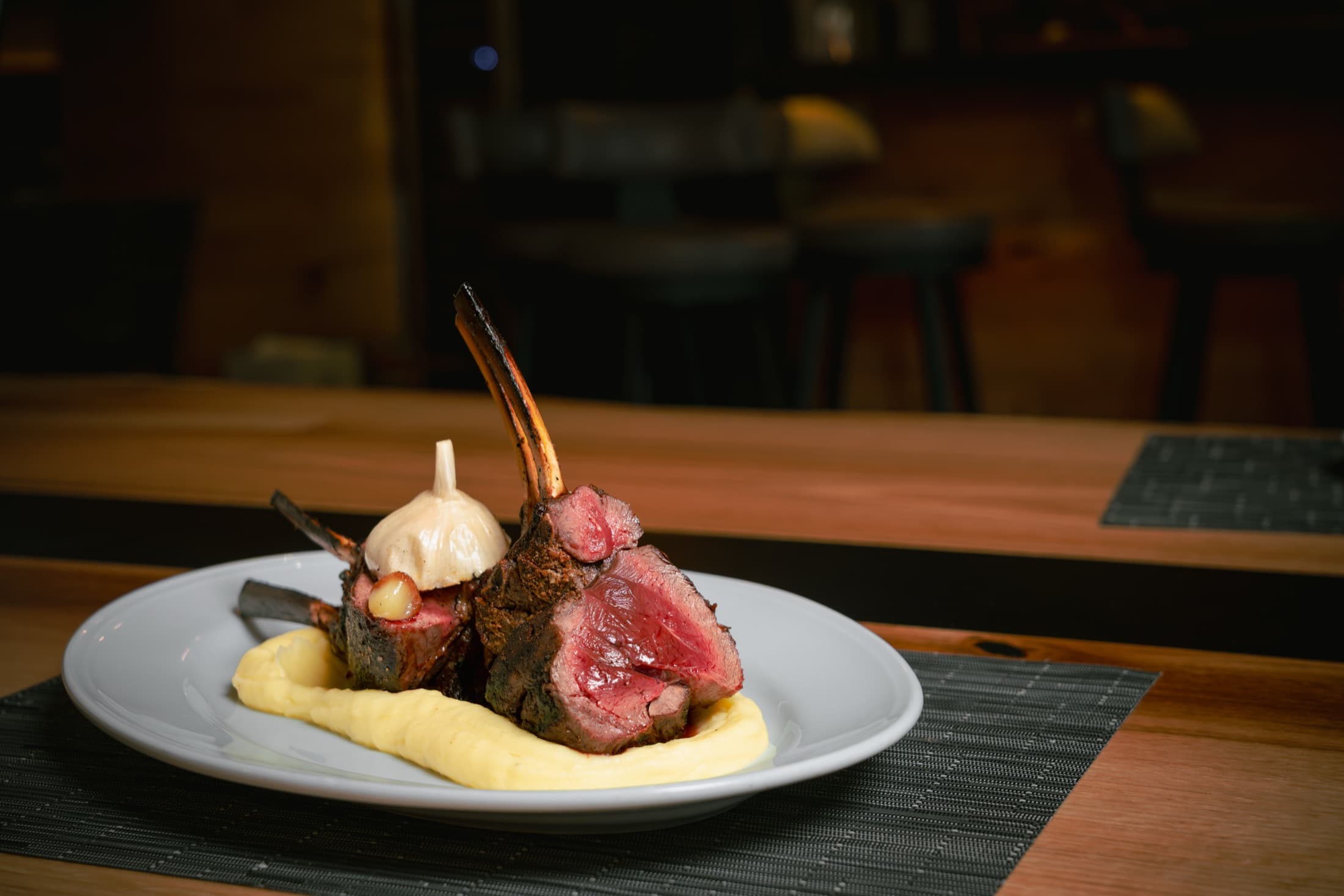
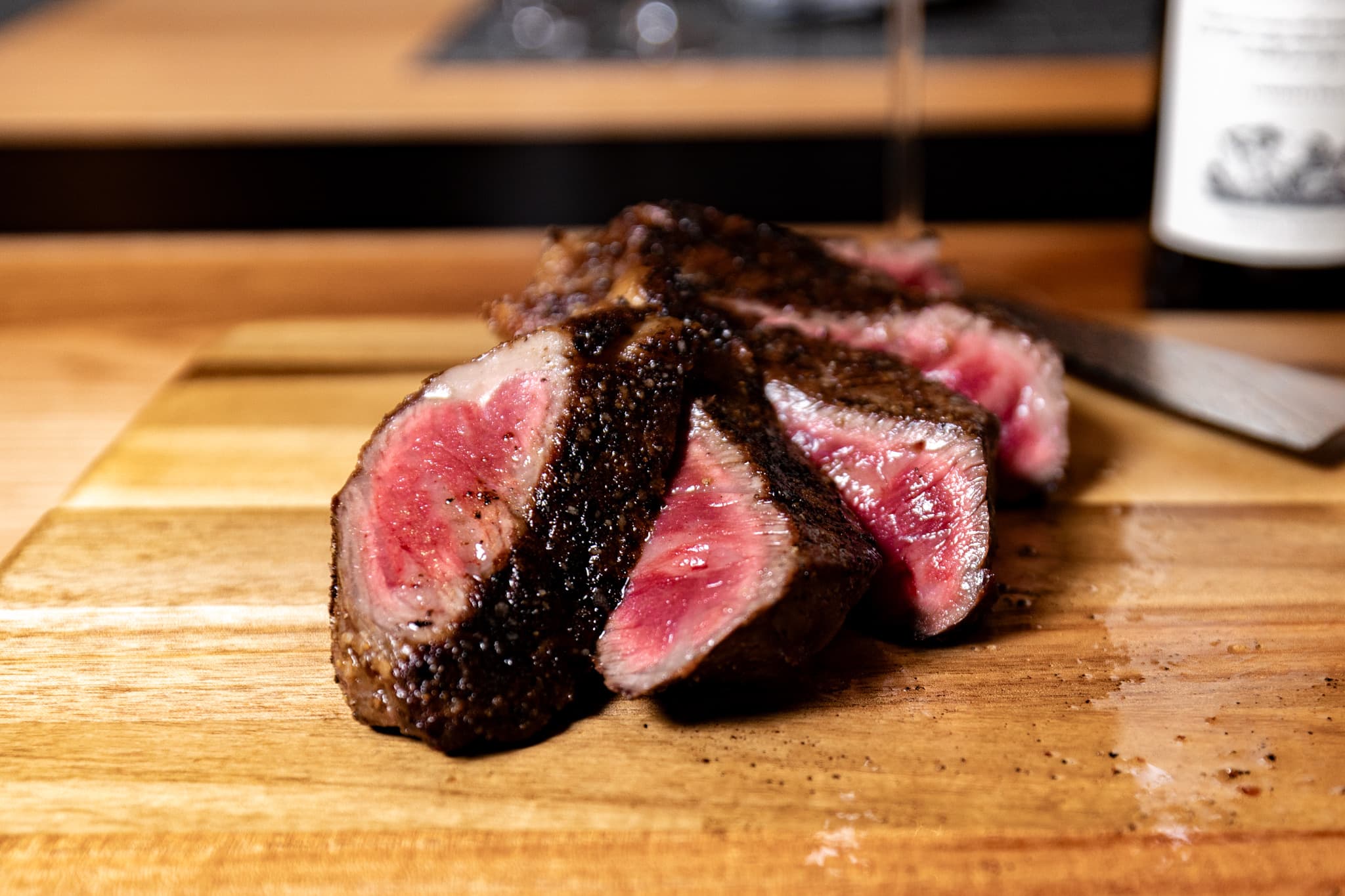
Finally, eat with it. A private barrel bourbon and a piece of in-house dry-aged beef work on each other in the same direction, because both get their character from time and controlled exposure to air. The nutty, faintly funky edge of a dry-aged porterhouse sits beautifully next to oak and caramel. It is a better pairing than most people expect, and it is the reason a steakhouse bar is a good place to learn bourbon.
Claiming a barrel of your own
The last part of the program is the part guests use the most. You can reserve a bottle from a current selection and we will keep it behind the bar for your visits, poured when you come in rather than sold off to the room. It works well for regulars, and it works even better for anyone who hosts here often.
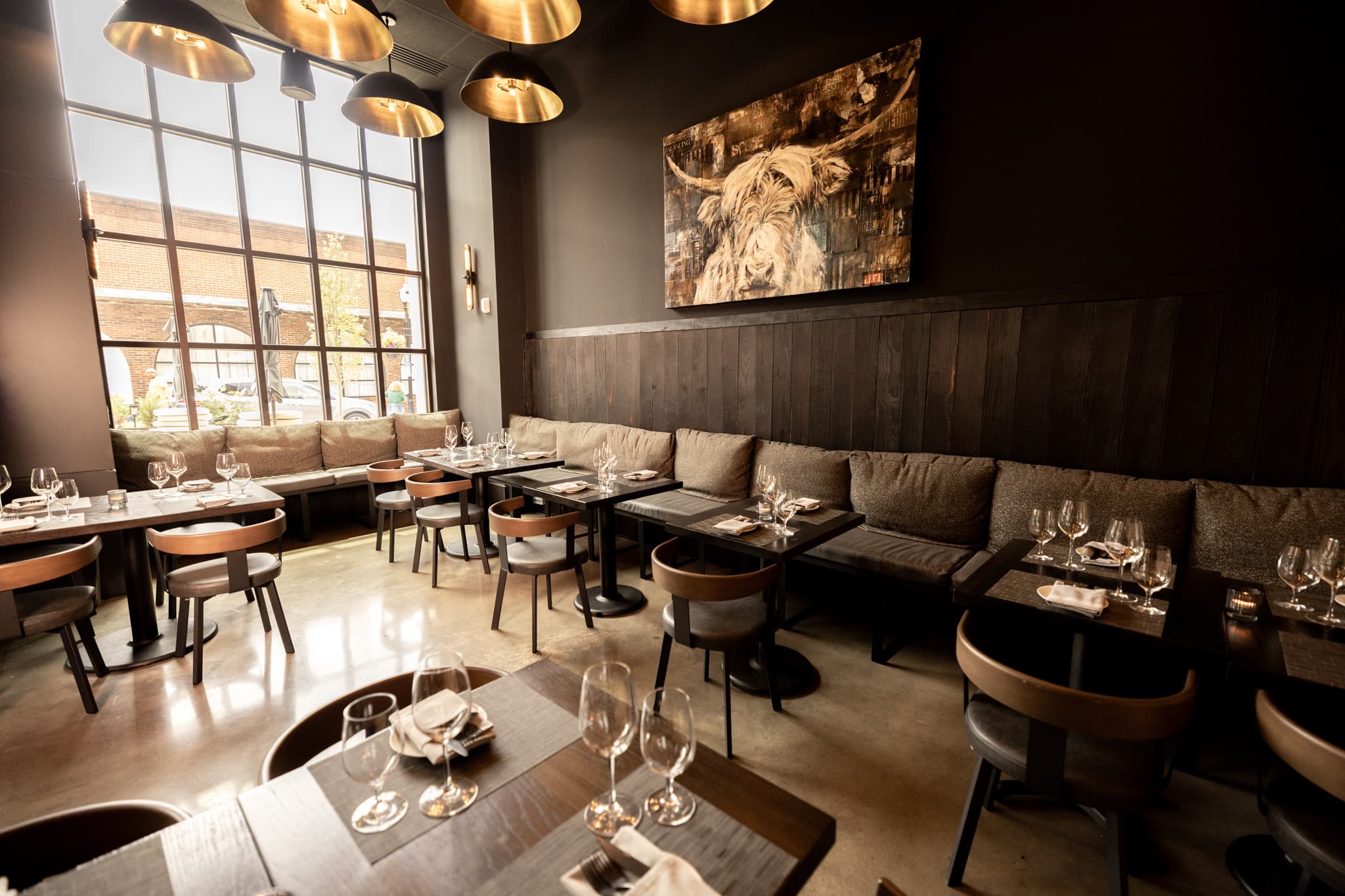
That extends naturally to private dining in the Executive Suite, which seats up to 28. Setting a bottle from your own barrel on the table at a board dinner or a milestone birthday does more than a wine list can, and your coordinator can build it into the evening the same way they build the menu in advance. Members of the Blade Club get 10 percent off food and beverage plus complimentary corkage, which changes the math on keeping a bottle here.
If you would rather taste before you commit, that is the right instinct. Come sit at the bar, tell whoever is working what you usually drink, and ask what is open. Current selections rotate, so the honest answer is always whatever is on hand that night. Ask us at the bar or get in touch about reserving one.
We are at 126 Bradford St NE in downtown Gainesville, a short walk from everything on the downtown square, and dinner runs Tuesday through Sunday from 5 to 10 PM. Reserve a table on OpenTable, come early, sit at the bar, and start with something neat.
Frequently Asked Questions
- What is a private barrel bourbon?
- It is a single barrel of bourbon that a specific buyer tasted and selected, then purchased whole, so the distillery bottles that one barrel under that buyer's name. Our private barrel program covers both bourbon and rye, and no two barrels are the same.
- What is the difference between single barrel and small batch?
- Single barrel means one barrel bottled by itself. Small batch means several barrels blended together, just fewer than a standard production run. A private barrel is always a single barrel, chosen on purpose rather than at random.
- Is a private barrel bourbon better than the regular bottling?
- Not automatically. It is different, and it is finite. A good barrel program is only as good as the palates choosing the barrels, which is why it is fair to ask who picked it and what they were looking for.
- Can I reserve a bottle for myself at CHR Steak?
- Yes. You can claim a bottle from a current selection and we will keep it behind the bar for your visits. Selections rotate, so call or get in touch to ask what is open right now.
- What should I eat with a private barrel bourbon?
- An in-house dry-aged steak is the natural pairing, since oak and caramel sit well against the nutty edge that aging gives beef. The wild game menu works too, particularly the bison and pork tomahawk.
- How many bottles come from one private barrel?
- A standard barrel yields somewhere in the range of 150 to 200 bottles once evaporation has taken its share. That is why a private barrel is finite. When those bottles are gone there is no reorder, and the next barrel will be a different whiskey under the same label.